
Knowing how to validate a business idea before launching is the most important skill you can develop as a founder, and most first-timers skip it entirely. They build, spend, launch, and then discover nobody actually wanted what they made. This guide exists so that doesn’t happen to you.
Why Validating Your Business Idea Is Non-Negotiable
The number one reason startups fail isn’t a bad product. It’s building a product nobody needed. Research consistently shows that market fit problems account for a huge share of early business failure, and yet founders keep pouring money into ideas they haven’t tested with a single real customer.
Validation shifts your operating belief from “I think this will work” to “the market has told me this will work.” That’s not pessimism. It’s the difference between a calculated bet and a blind one. If you want to understand the broader picture of why most businesses fail before gaining tractionthe patterns are consistent: assumptions treated as facts, spending before confirming demand.
The good news? You can validate cheaply, quickly, and without building a single thing yet.
Step 1: Define the Problem You’re Actually Solving
Before you think about your product, name the pain. Specifically. Not “people want better health” but “busy parents aged 30-45 can’t find a meal planning tool that syncs with their grocery delivery app.” The more precise you are, the easier every other step becomes.
Write a single problem statement: who has the problem, what the problem is, and what it’s costing them (time, money, frustration). If you can’t write that sentence clearly, you’re not ready to validate yet. You’re still in the idea phase.
Step 2: Identify and Research Your Target Customer
Your target customer is not “everyone.” Narrowing down feels scary, but it’s what makes validation possible. A 28-year-old freelance designer in a mid-size city has very different needs, budgets, and habits than a 55-year-old small business owner in a rural town.
Build a simple profile: age range, occupation, where they spend time online, what they’re already buying to solve this problem, and what’s frustrating about those existing solutions. Reddit communities, Facebook Groups, and Quora threads are goldmines for this. Read what people are complaining about unprompted. That’s raw, honest market research that costs you nothing.
Step 3: Analyze the Competition and Market Demand
Competition is a green flag, not a red one. If nobody else is solving this problem, ask yourself why. An empty market often means no real demand, not an untapped opportunity.
Search for your direct competitors. Study their reviews on Google, Trustpilot, or the App Store. Look at the one-star and two-star reviews specifically. Those are your customers telling you exactly what’s missing. Use Google Trends to check whether interest in your category is rising or declining. Try the Google Keyword Planner to see how many people are searching for solutions to the problem you’re targeting. Ten thousand monthly searches is a very different business environment than two hundred.
You’re not trying to copy competitors. You’re confirming that a market exists and spotting the gap you can fill.
Step 4: Test Demand Before Building, Lean Validation Methods
Learning how to validate a business idea before launching means finding the cheapest possible way to test whether people will act, not just say they’re interested. Saying “I’d buy that” costs someone nothing. Clicking a buy button, signing up with an email, or pre-ordering costs something real.
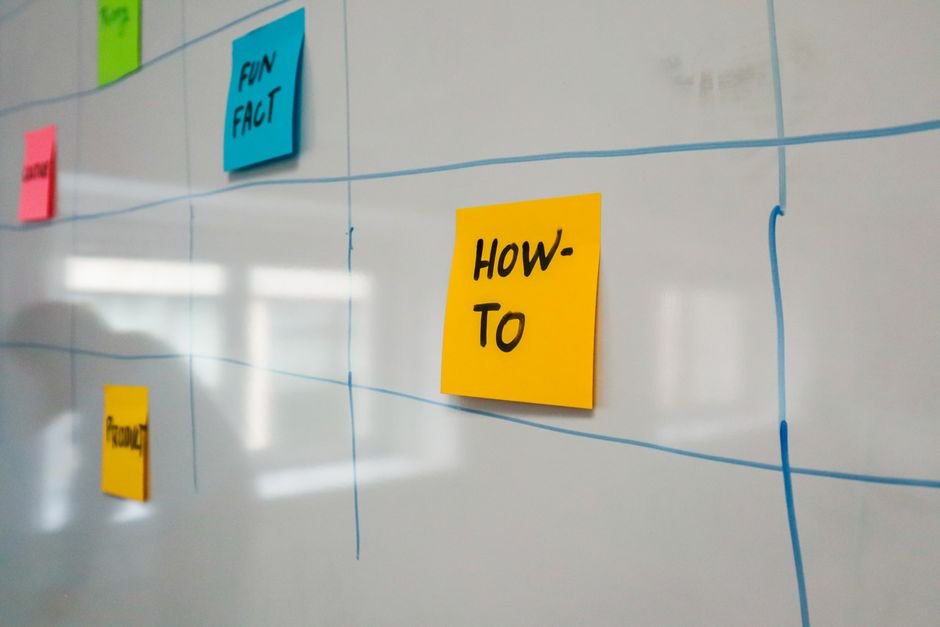
Lean validation methods include:
- Pre-sell before you build. Post about your offer on social media or a simple landing page. If people pay or sign up, demand is confirmed.
- Crowdfunding. Platforms like Kickstarter force real financial commitment. A funded campaign is hard evidence.
- Ads to a waiting list. Run a small Facebook or Instagram ad (even $20-$50) pointing to a sign-up page. Your cost-per-sign-up tells you a lot about real interest.
- The “Concierge MVP.” Manually deliver the service yourself before automating anything. Sell ten units by hand before building the system.
These aren’t tricks. They’re how founders like Dropbox and Buffer confirmed demand before writing a line of code. If you’re exploring promising business ideas worth validating in 2025these same methods apply regardless of the category.
Step 5: Talk to Real People (Customer Discovery Interviews)
Surveys give you data. Conversations give you understanding. Both matter, but founders almost always skip the conversations because they’re uncomfortable.
Aim for at least ten interviews with people who match your target customer profile. Not your friends. Not your family. Strangers who have the problem you’re solving. Reach out through LinkedIn, local communities, Facebook groups, or even direct messages to people who’ve left relevant reviews online.
Ask about their current behaviour, not about your idea. “How do you currently handle X?” tells you more than “Would you use a product that did Y?” The first reveals reality. The second invites polite agreement that means nothing.
Listen for pain language, words like “annoying,” “waste of time,” “I’ve tried everything.” When you hear that, you’re close to a real problem worth solving.
Step 6: Build a Minimum Viable Product (MVP) or Landing Page Test
An MVP is not a half-finished version of your big vision. It’s the smallest thing you can build that delivers the core value and lets you collect real feedback. For a software product, that might be a clickable mockup using Figma. For a service business, it might be offering the service manually to your first five clients. For a physical product, it might be a single hand-made prototype.
A landing page test is even simpler. Build a one-page site (Carrd, Webflow, or even a Google Form) that describes your offer and asks visitors to sign up or pre-buy. Drive 100-200 visitors to it through posts, ads, or direct outreach. A sign-up rate above 5% is usually a strong signal. Below 1% tells you something isn’t connecting.
The goal is feedback, not perfection. Ship it rough and learn fast.
Step 7: Measure Results and Decide Whether to Pivot or Proceed
Once you’ve run your tests, you need to be honest with what the numbers are telling you. This is where many founders struggle, because the emotional investment in an idea can make it hard to read the data clearly.
Set your thresholds before you test, not after. Decide in advance: “If fewer than three people pre-order in two weeks, I’ll treat that as a no.” If you wait until the results come in to set the bar, you’ll always find a reason to call it a success.
A pivot doesn’t mean failure. It means the market pointed you somewhere better. Slack famously pivoted from a failed video game. Knowing how to validate a business idea before launching means being willing to update your direction based on evidence, not ego. Proceed when you have confirmed interest, clear demand signals, and at least one customer who has taken an action that cost them something real.
Common Validation Mistakes to Avoid
The most expensive mistake is asking friends and family for feedback. They love you. They’ll support your idea. Their opinions are not market data.
The second is confusing “interest” with “demand.” Someone saying “that’s a great idea” is not a customer. Someone paying $20 to be first on a waiting list is.
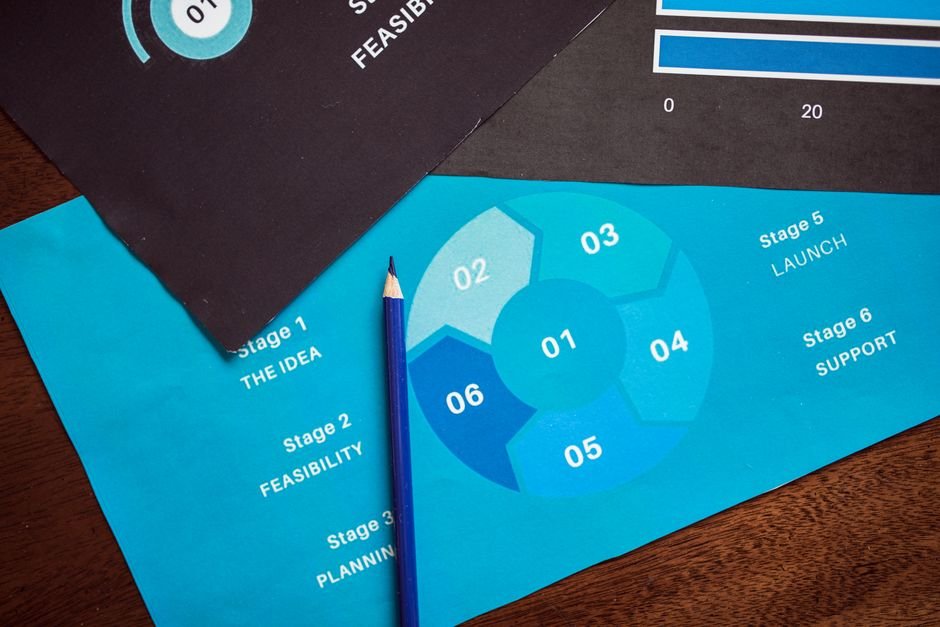
Avoid over-engineering your MVP. Founders who spend six months building the perfect version before testing a single assumption are betting everything on being right the first time. That’s not confidence; it’s avoidance. If you want structured support as you work through this process, a free entrepreneurial development programme can give you frameworks and accountability without a financial commitment.
Finally, validate the business model, not just the idea. People might love your concept but be completely unwilling to pay what you need to charge to make it work. Test the price point early.
FAQ
How long does it take to validate a business idea?
Most ideas can reach a meaningful validation signal in two to six weeks if you’re focused. A landing page test can produce data in days. Customer discovery interviews can be completed in a week if you’re proactive about outreach. Validation doesn’t need to be slow; it needs to be intentional.
Can I validate a business idea with no money?
Yes, largely. Customer interviews are free. Reddit and Google Trends research costs nothing. A basic landing page on Carrd costs under $20 per year. The real investment is time and willingness to have honest conversations with strangers. Money accelerates validation, but it isn’t required to get started.
What is the difference between validating and testing a business idea?
Testing is a single experiment: running an ad, sending a survey, building an MVP. Validation is the overall process of accumulating enough real-world evidence to make a confident decision about whether to proceed. Testing is a tool inside the broader validation process.
How do I know if my validation results are good enough to launch?
Look for three signals: people have taken an action that cost them something (money, time, a commitment), multiple unconnected strangers have expressed the same pain unprompted, and at least one person has paid or pre-paid at your intended price point. No single metric is definitive, but those three together form a strong case for moving forward.